
US Marine Corps and Defense Cooperation |
Philippine Embassy and Defense Cooperation in Focus |
The US Marine Corps has once again taken center stage in the ongoing efforts to reinforce defense cooperation between the United States and the Philippines.
Recently, notable figures from both countries gathered at the Philippine embassy in Washington, setting a positive tone for what many hope will be an era of renewed collaboration.
The latest engagements not only highlight the historic partnership but also signal new opportunities in regional security.
This year’s US Marine Corps Sunset Parade drew attention to the close links between military institutions of both nations, making clear that the tradition of joint endeavors is alive and evolving.
According to reports, members of the embassy community and defense officials were present at the gathering, sharing insights on cross-border partnerships.
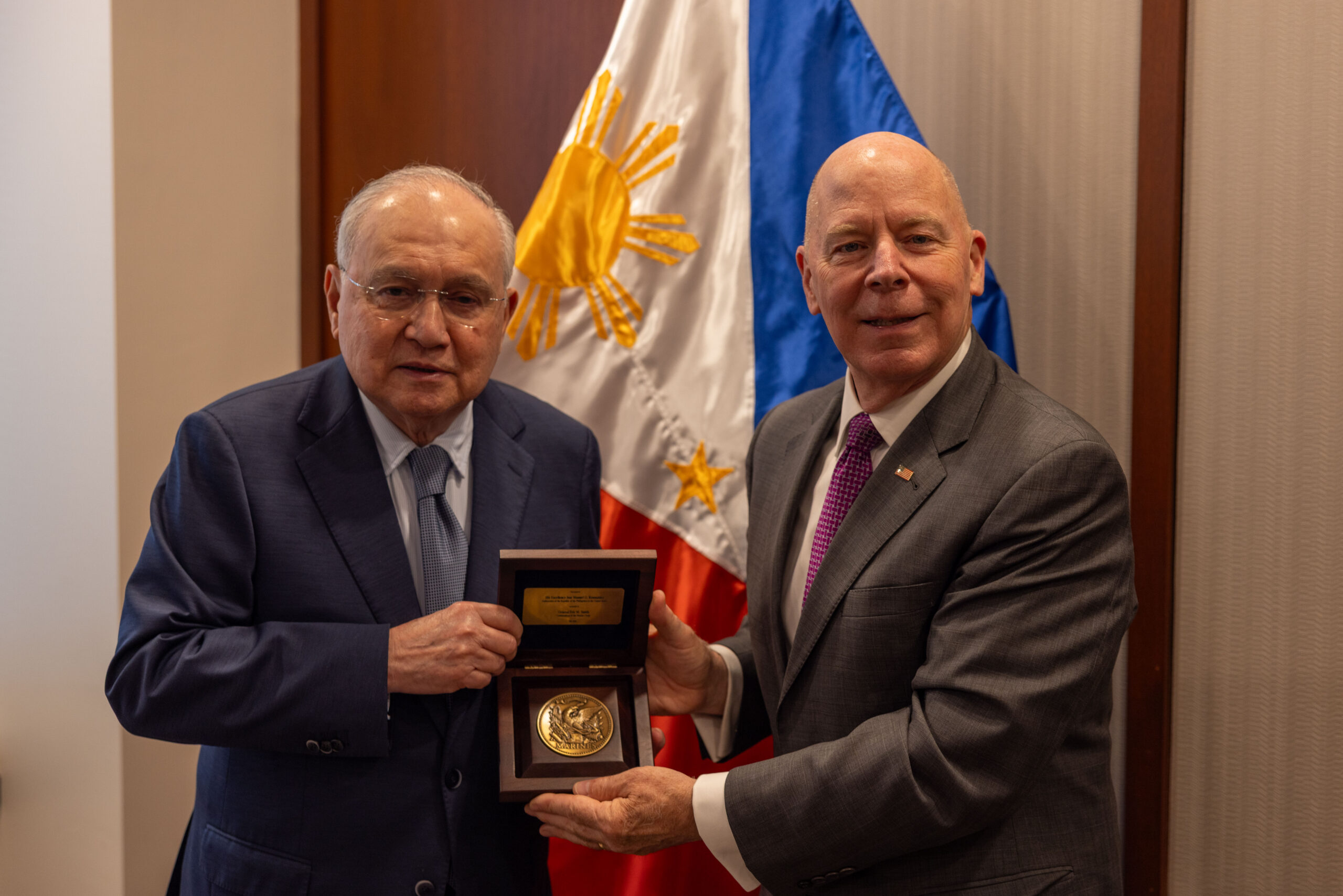
In a gesture thick with symbolism, James Balocki, Executive Director of Marine Corps Installations Command, visited the Philippine embassy and convened with Ambassador Jose Manuel Romualdez.
During the meeting, a US Marine Corps Medallion was presented, highlighting the deep respect and gratitude each side holds for the other’s commitment.
Such tokens amplify the emotional resonance of a partnership built over decades, reflecting mutual priorities in defense cooperation and shared values.
Observers note that the atmosphere at the embassy felt energized by the vision of closer future coordination—an aspiration that many regional leaders deem increasingly essential amid evolving security landscapes in Southeast Asia.
Embassy officials underscored the importance of the alliance not only in military terms, but also as a vehicle for strengthening people-to-people ties.
The event comes at a strategic moment as both Washington and Manila weigh the expanding role of defense agreements in the Indo-Pacific.
Newly launched initiatives in recent months—which include expanded joint training and practical exchanges—have been met with optimism by both defense establishments.
These projects align with the broader goal of boosting interoperability, a key theme echoed during the event at the Philippine embassy.
Apart from formal discussions, the delegation also took time to connect with embassy staff and community members, exchanging stories that attest to the friendships forged through years of military and cultural interaction.
Attendees included the Philippine Naval Attaché and additional senior personnel, with all parties reaffirming their shared commitment to the alliance.
Conversations touched on the latest developments, including reports of recent joint drills in the region, which showcase tangible progress in defense cooperation between both navies and marine corps units.
For Washington's diplomatic community, the spotlight on the US Marine Corps and the Philippine embassy underscores just how central these institutional relationships have become.
The emphasis on joint training is not simply a military calculation; it signals broader economic and social engagement that resonates at the community level as well.
Filipino-Americans in the area have expressed pride and hopefulness, pointing to a new wave of cooperative programs set to launch later this year, with projects potentially involving disaster response training and youth education initiatives.
Local advocacy groups are pushing for expanded public forums about the impacts—and limits—of current defense agreements, seeking to keep dialogue open between the military, diplomatic, and civilian spheres.
Back on the ground in Manila, officials are said to be closely tracking these diplomatic developments, especially as new rounds of talks are rumored to be on the horizon regarding expanding port visits and joint exercises across key sites.
Defense cooperation, once limited in scope, now spans domains from cyber operations to humanitarian aid, magnifying the depth of US-Philippines military ties.
As the alliance enters a period of rapid adaptation, both countries look to maintain flexibility and resolve, mindful of the dynamic forces shaping the Indo-Pacific.
In a time of ongoing uncertainty, many within the embassy and the broader Filipino community believe such public displays of support from the US Marine Corps bode well for the future.
Both governments recognize that strong diplomatic and military bonds form the backbone of a resilient partnership—one that will be tested and strengthened amid the region’s shifting challenges. |
50 Comments
Join the conversation
Honestly, I don’t mind if joint training means we’re better prepared for disasters. That’s probably going to matter most.
Alliances can be good but I hope our leaders know when to stand up for Philippine interests first.
It always impresses me that these military ties go back so far. History matters.
Feels symbolic that the event was at the embassy. Ground zero for building these relationships.
Every year there’s talk of ‘renewed collaboration’ but people on the ground rarely feel it. Hope it’s different this time.
Appreciate the emphasis on humanitarian aid. Hope there’s support after storms and not just for military activities.
Will expanded joint drills mean more US soldiers stationed in the Philippines? Some folks are not a fan of that idea.
As a Filipino-American, I feel proud to see both countries working together. It gives hope especially when tensions in Asia are up.
This is all well and good but let’s not forget the Philippines also has to balance relationships with its neighbors, not just the US.
With all the changes in the region, keeping close with the US seems smart. Better than going it alone right now.
Any word if the joint projects will include medical outreach? Would love to see that.
Both governments talking about adaptability is key. Things change fast in that region.
Seems like these talks always mention shared values, but what about disagreements? Not everything lines up perfectly all the time.
I've heard some local groups want more public forums about US troop presence. Would like to see more transparency from both governments.
I went to the Marine Corps Parade once with my family. The pride on display was contagious. Glad the Philippine community was invited.
Not sure expanding military cooperation is always the answer. Maybe some focus should go to healthcare or food security too.
It’s great that they’re including cultural ties, not just military. Real relationships are more than just defense deals.
A resilient partnership is necessary, but don’t forget about human rights concerns too.
Hope the youth education initiatives really get off the ground. Both countries could use more STEM programs!
The friendship built over decades between the navies is impressive. My uncle served in joint exercises before and always spoke warmly of his American comrades.
I liked the part about humanitarian aid. That’s real value from these defense programs.
Does strengthening military bonds also mean we’ll see more US presence in PH bases? Not everyone’s going to love that.
I wish there were more details about what’s in these expanded agreements. Always feel like we just get the highlights, not what changes on the ground.
Nice to see Ambassador Romualdez engaged with US officials again. He’s been a strong advocate for years.
How will these new agreements affect Filipino workers and students in the US? Hope there’s a positive impact.
Pretty sure recent drills are helping both navies learn from each other. Practice is everything.
It’s good the embassy staff connected with community members. Diplomacy works best when it’s not just officials talking.
Allies have to stick together, especially now with the Indo-Pacific being so unpredictable.
James Balocki’s visit shows how serious the US is about the alliance. Hope it translates to real benefits.
Makes me wish there was more info on how ordinary folks in Manila feel about the deepening ties.
Glad to see cyber operations becoming part of the cooperation. That’s the future in defense.
Are we going to see more port visits in PH soon? That would be a big deal for some communities.
I went to one of these embassy gatherings years back. The energy really is different when both sides feel invested.
Expanded joint exercises are good as long as there’s transparency. Locals on the ground in PH should have a say.
Seems like these joint training sessions are more important with current tensions in the region.
So many high-ranking folks at the embassy. I wonder what actual new projects will come out of these talks.
Good reminder that the alliance is more than military stuff. People-to-people ties matter too.
I hope the youth education initiatives get funded, not just talked about at these events.
Not everyone in Manila is thrilled about more US drills, though. Maybe more public forums will help.
That medallion exchange was a nice touch. Shows respect both ways.
Curious what these disaster response trainings will actually look like. Sounds good on paper.
I liked hearing that Filipino-Americans are hopeful. We need more of those cross-cultural programs.
it’s nice to see the US and Philippines keeping the partnership strong, especially now with all the issues in SE Asia.
Cyber operations and humanitarian aid seem like new territory for both sides. It’s not just about the military anymore.
Curious about how these agreements will affect folks living near the new joint training sites. More drills usually means more noise and traffic.
The Medallion ceremony sounds moving. Small gestures like that really go a long way for goodwill.
Glad to see Filipino-Americans being included in new programs. These partnerships need more local involvement.
Feels like every few years we renew these defense agreements. Wonder what’s actually changing this time?
It's good to hear that joint training isn’t only about the military but also the community. Hope the upcoming disaster response projects help people in the Philippines.
I remember seeing the Sunset Parade when I visited DC years ago. Seeing the US and the Philippines coming together like this really means a lot for both sides.